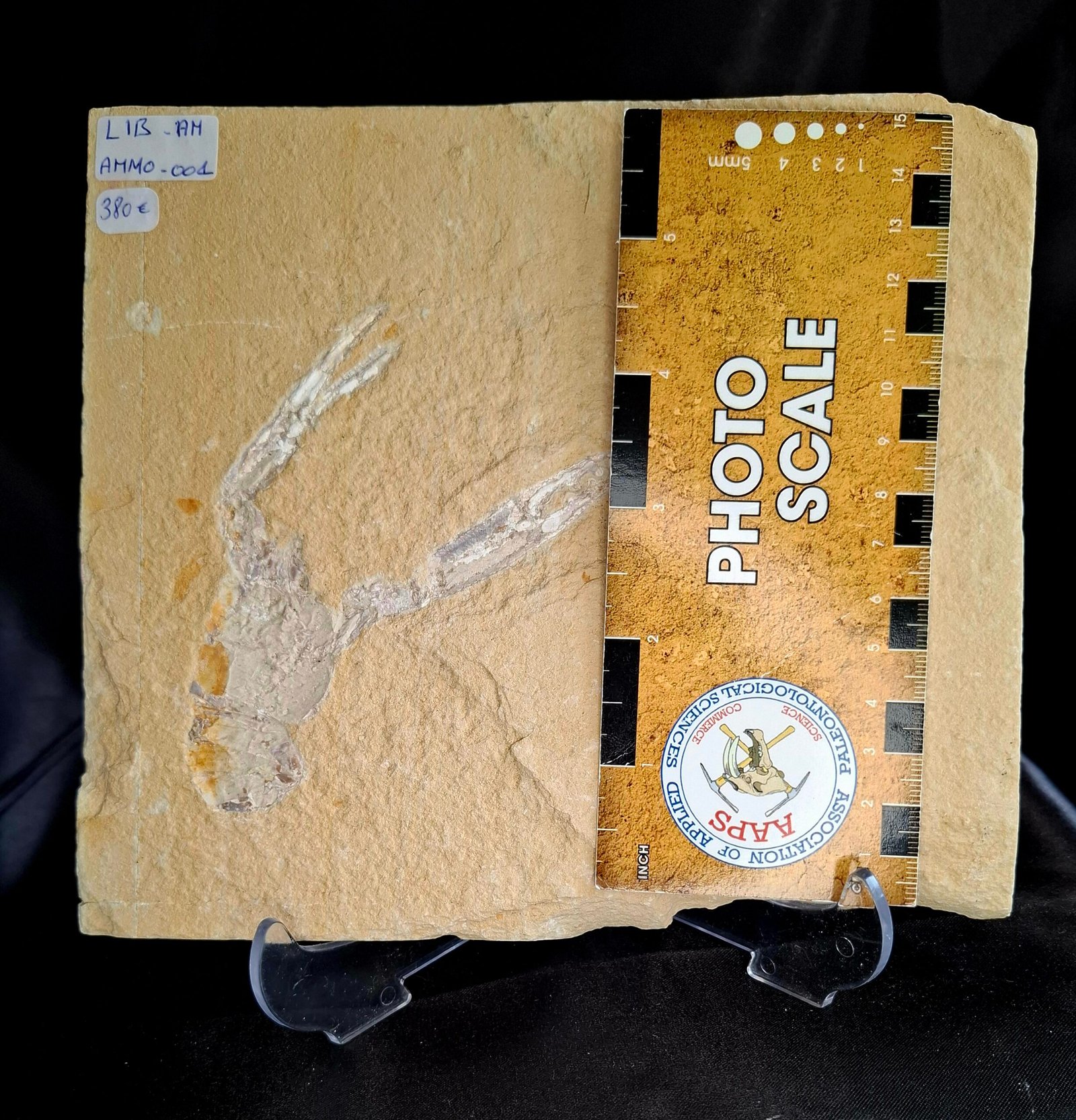
Pseudastacus and Ammonite 001
$380.00
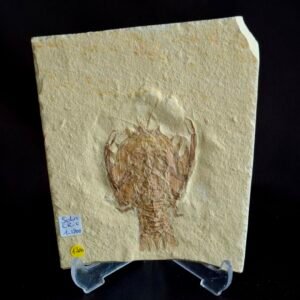
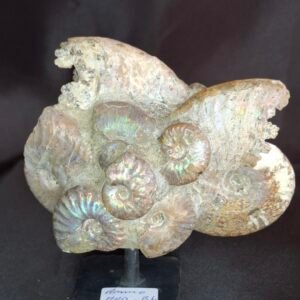
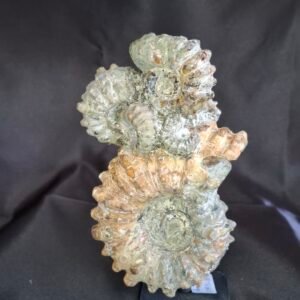
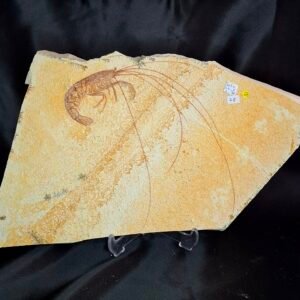
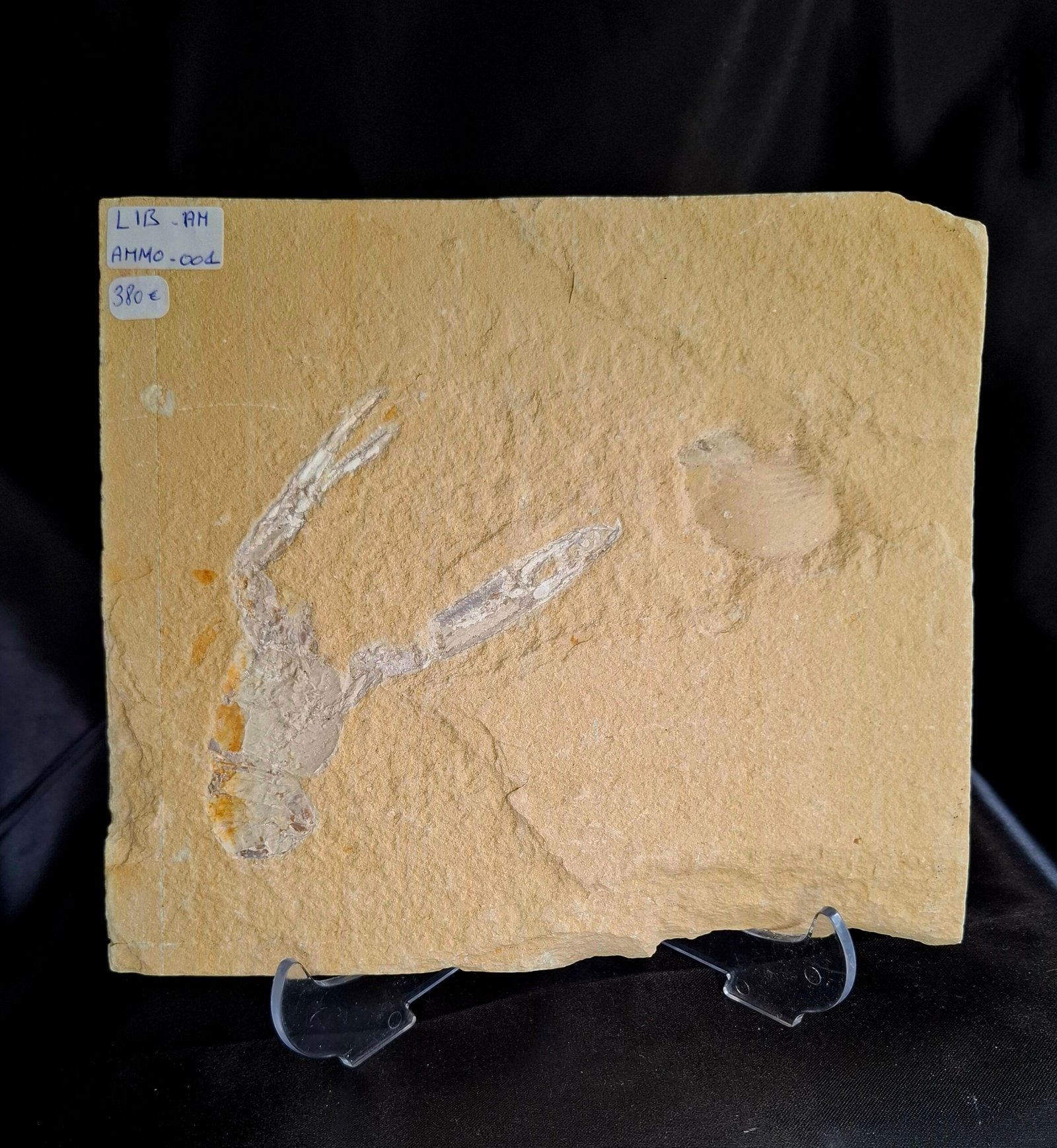
Pseudastacus and Ammonite from the Cenomanian period
Sannine formation (95-98 Million years)
In stock
The Sannine Formation (Lebanon) is a world-renowned site of exceptional fossil preservation where even the most delicate details of ancient organisms are often preserved. The fossils from this area, particularly the quarries near the towns of Haqel and Hjoula, are famous for their finely laminated limestone. This limestone was formed from the recrystallization of lime mud in quiet, oxygen-poor lagoons, creating perfect conditions for the preservation of delicate fossils. It is believed that these fossils were created by sudden events, such as underwater landslides, that rapidly buried marine life and preserved them in exquisite detail before they could decompose.
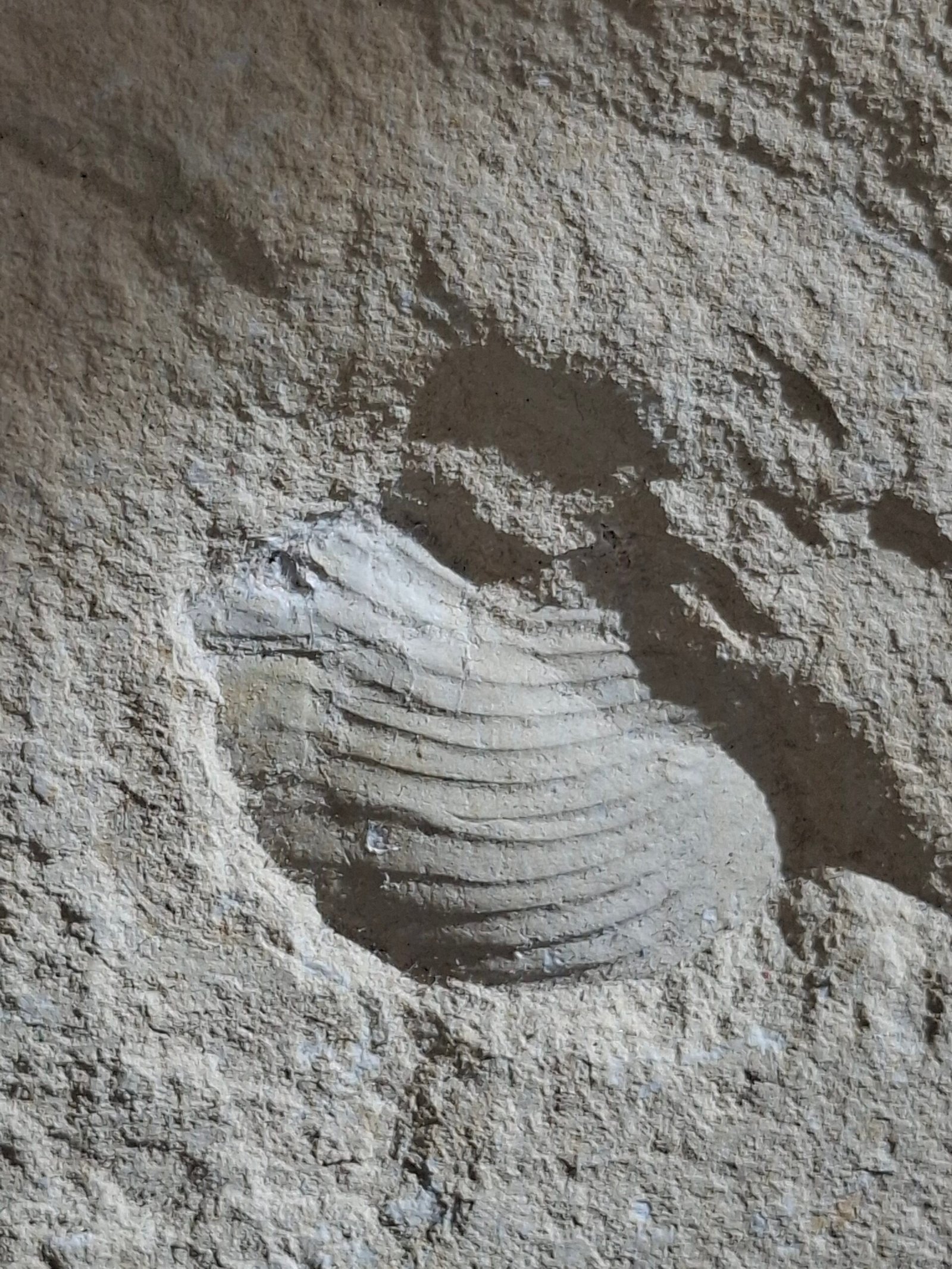
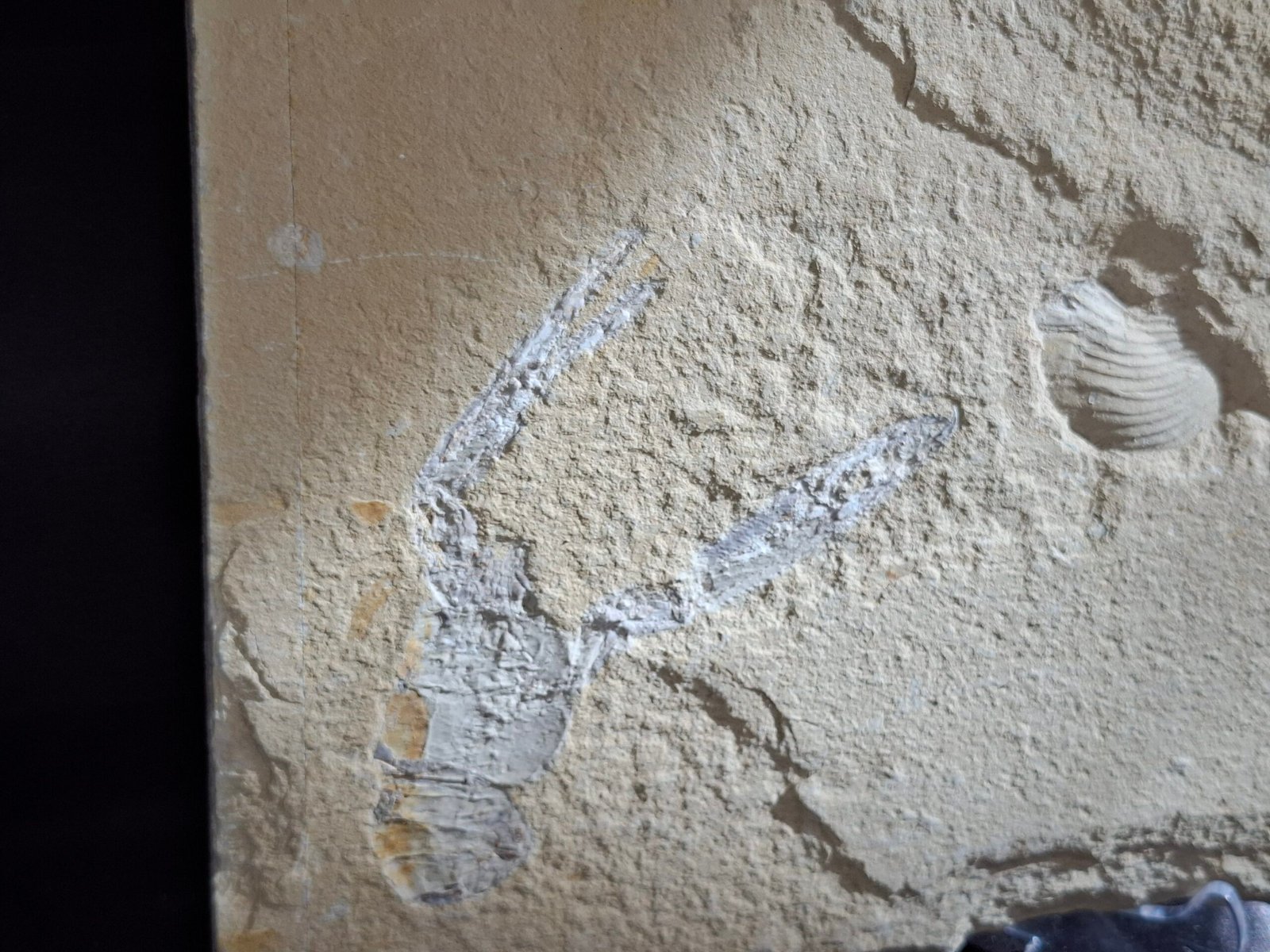
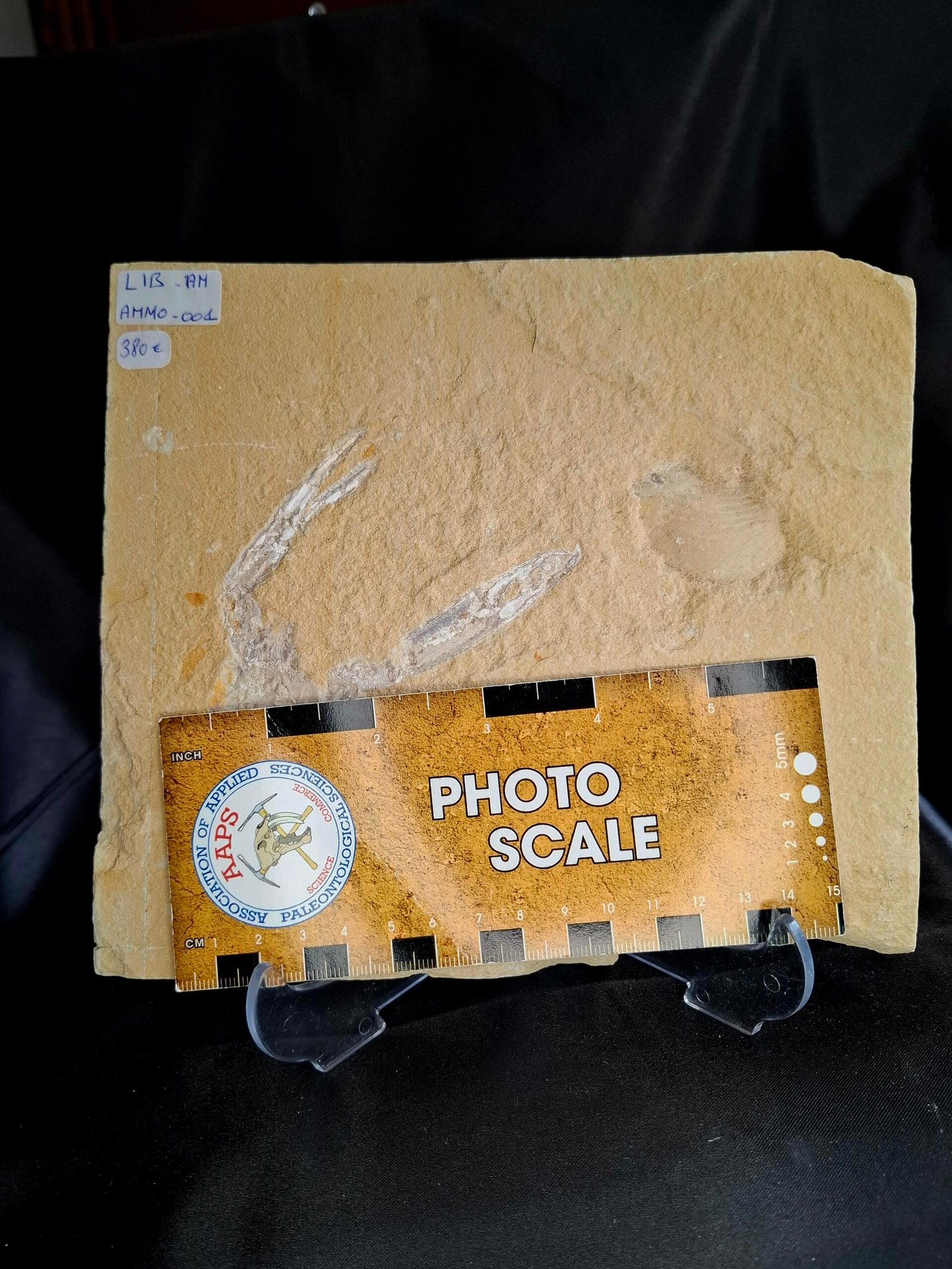
This particular fossil brings together the preserved remains of a Pseudastacus, an ancient lobster-like crustacean, alongside an ammonite, a shelled cephalopod. While a species of Pseudastacus (P. minor) has been previously identified from Cenomanian deposits in Lebanon, an association with an ammonite is not commonly documented, making this specimen a unique and significant find. The combination of these two distinct organisms on one slab provides a rare glimpse into the predator-prey relationships or symbiotic interactions of the ancient Tethys Ocean.